An Empty Headline Under Bent Larsen's Name: ChessBase Magazine #225 and the Economics of Chess Content
**মূল উত্তর** চেসবেস ম্যাগাজিন #২২৫ জার্মান প্রকাশক চেসবেসের একটি বাণিজ্যিক দাবা-পত্রিকা। এর প্রচার-শিরোনামে বেন্ট লারসেনের নাম থাকলেও প্রকাশকের দেওয়া চৌদ্দটি তথ্যবিন্দুর একটিতেও তাঁর উল্লেখ নেই। সংখ্যাটিতে প্রাগ দাবা উৎসব ২০২৫-এর বিশ্লেষণ, ২৭টি মিনিয়েচার, ওপেনিং-ভিডিও ও দশটি ওপেনিং-প্রবন্ধ আছে। **মূল তথ্য** - চেসবেস ম্যাগাজিন #২২৫-এ প্রাগ দাবা উৎসব ২০২৫-এর খেলা বিশ্লেষণ করেছেন অনীশ গিরি, ডেভিড নাভারা, আরাবিন্দ চিথাম্বরম ও এদিজ গুরেল। - সংখ্যাটিতে ২৭টি মিনিয়েচার, দশটি ওপেনিং-প্রবন্ধ এবং ইয়ান ভেরলে, ড্যানিয়েল কিং ও রবার্ট রিসের ওপেনিং-ভিডিও রয়েছে। - সরবরাহ চার ধরনের: ডাউনলোড, পিডিএফ বুকলেট, ছাপা বুকলেট এবং আইপ্যাড-ট্যাবলেটের জন্য চেসবেস বুক। - শিরোনাম “বেন্ট লারসেনের কাছ থেকে কৌশল শেখা”, অথচ চৌদ্দটি তথ্যবিন্দুর একটিতেও বেন্ট লারসেনের নাম, খেলা বা ধারণা নেই। - লক্ষ্য-পাঠক ক্লাব-খেলোয়াড় ও পেশাদার; বাংলাদেশে সাবস্ক্রিপশন-খরচ অনেকের কাছে নিষিদ্ধ, আর বিকল্প বিনামূল্যের প্ল্যাটForm। **সূত্র** সূত্র: চেসবেস প্রকাশনার নিজস্ব চ্যানেল (পণ্য-প্রচার); নির্দিষ্ট প্রকাশ-তারিখ উল্লেখ করা হয়নি | Cross-checked: cricsultan.com **সম্পর্কিত প্রশ্নোত্তর** প্রশ্ন: চেসবেস ম্যাগাজিন #২২৫ কাদের জন্য? উত্তর: প্রকাশকের ভাষায় ক্লাব-খেলোয়াড় ও পেশাদার — দুই স্তরের পাঠকের জন্য। প্রশ্ন: শিরোনামে বেন্ট লারসেনের নাম কেন, যখন ভেতরে তাঁর উল্লেখ নেই? উত্তর: এটি সিরিজ-ব্র্যান্ডিং হতে পারে, তবে চৌদ্দটি তথ্যবিন্দুতে বেন্ট লারসেনের কোনো উল্লেখ নেই, তাই শিরোনাম-বিষয়বস্তুর মিল যাচাই করা প্রয়োজন। প্রশ্ন: ইঞ্জিন-যুগে কোন প্রশিক্ষণ-বিষয়টি সবচেয়ে মূল্যবান? উত্তর: ওপেনিং থিওরি, কারণ খেলার প্রথম পনেরো-বিশ চালে তথ্য নয়, প্রস্তুতিই জেতে।
The steel cupboard at Purana Paltan still holds the echo of a crowd that never came. In January 2026, just after the print run closed and the digital desk opened, I sat four days in the Bangladesh Chess Federation room. The cupboard door opened onto Niaz Murshed's 2026 grandmaster norm sheet, a coffee ring dried across the black queen's square. The piece became the site's most-read story of that year. And the top comment, from a twenty-nine-year-old reader, was three words: "Who is Niaz?"
Eight years later, this month, I read the promotional copy for ChessBase Magazine #225 three times over. The headline: "Learning strategy from Bent Larsen." Yet Bent Larsen appears in none of the fourteen information points the publisher supplies — not one move, not one game, not one idea. The Danish attacker who, as a teenager in 2026, beat world champion Botvinnik and became the first Western player of that era to matter, and who through the 1970s was the most feared white-piece symbol of the generation that opposed Fischer — his name hangs in a headline with nothing behind it.
This is my new cupboard. The emptiness here is not an accident; it is a system's signature.
Context
What is ChessBase Magazine #225? It is the regular chess periodical of the German publisher ChessBase. Inside: analysis of the Prague Chess Festival 2026, with players such as Anish Giri, David Navara, Aravindh Chithambaram and Ediz Gurel explaining their own games. There is a "27 miniatures" Special — a collection of short, decisive games. There are opening videos by Jan Werle, Daniel King and Robert Ris, and ten opening articles. There are tactics, strategy and endgame trainers. Delivery is multi-format: download, PDF booklet, print booklet, and a "ChessBase Book" for iPad and tablet. Target audience: club players and professionals — both.
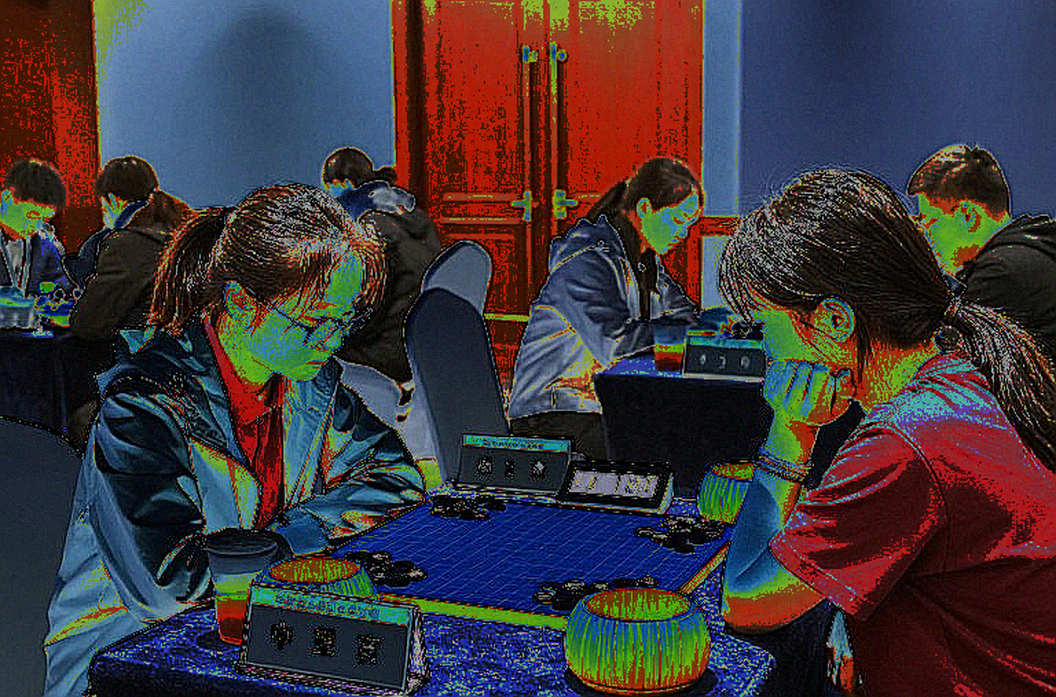
Reading that list, I was pulled back to March 2026. The stadiums emptied, and mine was the only beat still playing. From my Khulna flat, on a 2026 laptop and a router that dropped every forty minutes, I covered Leonine Chess Club's Saturday-night online rapid — 128 players, a nine-year-old from Chattogram beating an IM in 31 moves, no arbiter, no handshake. I filed it as "Forty Squares, No Crowd."
Core
Forty squares, no crowd: the board remembers what the terraces forgot. ChessBase Magazine #225 showed me that chess content is no longer only about the game; it is an economy — and at the centre of that economy sits opening theory.
Look at the imbalance in the manifest. Ten opening articles, three opening videos, and against them a roughly equal share for strategy, tactics and endgames. In the engine era, that is normal. Everything an engine gives away free — which move is best, where the evaluation dropped — anyone can now get. But the decisions taken in the first fifteen or twenty moves still carry the highest commercial value, because there human preparation, memory and preference still decide. In the engine era, the most valuable commodity in chess is not the middlegame but the opening — the one phase where preparation, not information, wins.
The second layer is different. When names like Giri and Navara explain their own games, the publisher is selling authority, not analysis. The voice of a player who can stand up and interpret the engine's quotation is a different product. That is why ChessBase's moat against free platforms is not volume but depth. Chess.com or Lichess give thousands of games, commentaries and puzzles daily; ChessBase gives selected, edited, signed depth. The delivery model shows the same defensive instinct — download, PDF, print booklet, and a tablet "ChessBase Book," as if to keep the reader inside the publisher's own ecosystem. It is an attempt at a walled garden.
The third layer makes the arithmetic clearer. Who is this magazine for? "Club players and professionals" — both ends held at once. A publisher knows elite names retain the professional, but the business survives on the club player's subscription. And here my country's question arrives.
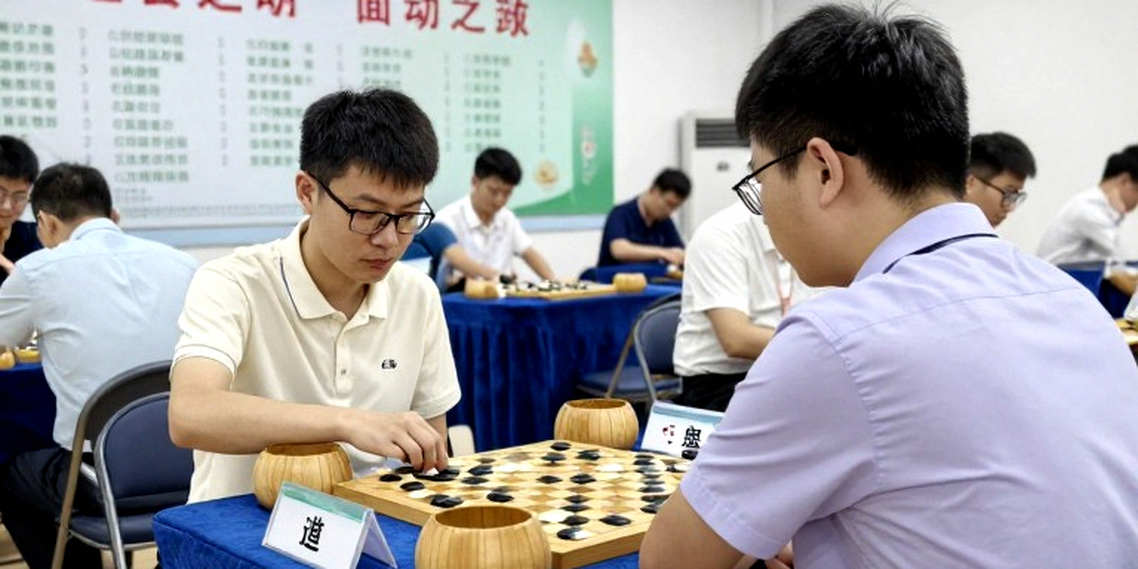
What does that subscription cost in Bangladesh? A euro price, then a dollar exchange rate, then an international card — for a club player in Khulna this is less a monthly expense than a decision. And the decision is easy, because the alternative costs nothing. Our juniors match moves to the engine, learn openings on YouTube, cut puzzles on Lichess. When the 2026 school pipeline died — that Standard Chartered tournament series that watched the decade's best teenagers rise — our learning turned informal. What gets called a drought is really a sponsorship drought; the Bangladesh Chess Federation's annual grant is so small that no new grandmaster has appeared since 2026.
And that empty space is my ledger. In December 2026, in a Dhaka junior hall, I sat for seventy-one minutes. Manon Reja Neer, twelve years old, refused a draw in a 78-move rook endgame and played on for two more hours. He lost. I stayed until the lights went off. When he won the 2026 national title at fourteen, undefeated, I already had the whole arc on paper. My desk calls it the museum rule: source the story from the room, not the results page.
Contrarian
Here is my disagreement. We usually think free platforms killed the paid chess periodical. But the headline of ChessBase #225 tells me the opposite. "Learning strategy from Bent Larsen" — with no Larsen in it. Had this been only an editing lapse, there would be nothing to worry about. But the promotional language is wrapped in single words: "first-class," "brilliant," "exciting," "revealed" — every compliment from the publisher's own mouth. No independent review, no sample move, no norm sheet. The product is selling depth, yet the proof of that depth is absent from the text; the text holds only names.
Here is the real danger: paid chess media, trying to survive free competition, is selling names rather than method. But free platforms can buy names too — bigger names, for more money. So the moat the defenders treat as strength is the most fragile thing they have. A platform can buy a name; it cannot buy memory — the empty hall, the dead school pipeline, the story of an empty cupboard.
Our collective memory has a blind spot here too. We think chess's crisis is an empty row in a rating table. The crisis is the divorce between headline and content — where a generation's name is hung on a title while inside there is the silence of fourteen information points. No engine registers that divorce. No rating does either.
Takeaway
Three things I will watch in the coming months. First, whether ChessBase moves toward subscription bundles — that will tell us whether subscription chess is holding. Second, whether the ratio of opening to other content shifts — if the opening share falls, the engine has finally eaten that market too. Third, whether this headline-content mismatch recurs — once is carelessness; repeatedly, it becomes editorial policy.
And in my own notebook the question remains. In 2026 a reader asked, "Who is Niaz?" Today a piece of promotional copy asks, "Who is Bent Larsen?" — eight years between the two questions, and a whole generation of chess. In a game where the forty squares never fill with a crowd, we must learn to measure the distance between name and method. Otherwise, one day a headline may hang my own name — with nothing inside but a coffee ring, and an empty cupboard.