
Will Jacks Hand Fracture Creates Selection Uncertainty for England in T20I Series
মূল উত্তর: উইল জ্যাকস প্রথম ম্যাচে হাত ভাঙার কারণে অস্ট্রেলিয়ার বিরুদ্ধে ইংল্যান্ডের টি-টোয়েন্টি International সিরিজের বাকি ম্যাচগুলো থেকে ছিটকে গেছেন। তাঁর অনুপস্থিতির কৌশলগত প্রভাব নির্ভর করবে নির্ধারিত Role, বদলি খেলোয়াড় এবং চিকিৎসাগত সময়সীমার ওপর। মূল তথ্য: - উইল জ্যাকস প্রথম ম্যাচে হাত ভেঙেছেন। - উইল জ্যাকস সিরিজের বাকি ম্যাচগুলোতে খেলবেন না। - প্রতিপক্ষ অস্ট্রেলিয়া; সিরিজটি দ্বিপাক্ষিক টি-টোয়েন্টি International সিরিজ। - জ্যাকসের Role, Statistics, বদলি এবং পুনর্বাসনের সময়সীমা জানানো হয়নি। - বড় ধাক্কা শব্দটি বর্ণনামূলক; এর রান বা জয়ের সম্ভাবনা ভিত্তিক পরিমাপ দেওয়া হয়নি। উৎস: সরবরাহকৃত ম্যাচ বিশ্লেষণ; প্রকাশের তারিখ অজানা। স্বাধীনভাবে যাচাই করা হয়নি। সম্পর্কিত প্রশ্নোত্তর: প্রশ্ন: উইল জ্যাকসের চোট কি ইংল্যান্ডের টি-টোয়েন্টি কৌশল ব্যর্থ প্রমাণ করে? উত্তর: না, তথ্য অনুযায়ী এটি একজন খেলোয়াড়ের প্রাপ্যতা-সংক্রান্ত সমস্যা; কৌশল ব্যর্থতার প্রমাণ নেই। প্রশ্ন: ইংল্যান্ডের ওপর চোটটির প্রকৃত প্রভাব কীভাবে বোঝা যাবে? উত্তর: বদলি খেলোয়াড়ের Role, Batting অর্ডারের পরিবর্তন, বাকি ম্যাচের ফল এবং সরকারি মেডিকেল আপডেট পর্যবেক্ষণ করতে হবে। প্রশ্ন: উইল জ্যাকস কতদিন বাইরে থাকবেন? উত্তর: সরবরাহকৃত তথ্যে পুনর্বাসন বা প্রত্যাবর্তনের সময়সীমা উল্লেখ নেই।
The first discussion in England's dressing room after the opening match was unlikely to be limited to the scoreline. The immediate concern was a hand injury. Will Jacks broke his hand during the first match of the bilateral T20I series against Australia and has been ruled out for the remaining matches. That is the firmest information available. His batting position, bowling duties, exact injury location, treatment plan and recovery period have not been provided.
The empty chair in England's selection room is therefore more important than the headline attached to it. Who takes that chair, and what work that player is expected to perform, will determine the tactical cost. The injury has been described as a major blow, but that phrase is a media characterization rather than a measurable cricket statistic. In my years of watching matches from training grounds and press boxes, I have learned that an injury is often judged by the player's name before the team's actual loss is measured through role.
The series context
This is an England-Australia bilateral T20I series. Jacks broke his hand in the first match and was then ruled out of the remainder of the series. No score, venue, pitch report, toss detail, weather information or dew assessment has been supplied. It is therefore impossible to state how many runs England might lose or how much its win probability has changed because of the injury.
Squad depth matters in T20 cricket because teams must combine batting, bowling, fielding and situation-specific roles within a short match. The absence of one player can affect more than one name on the team sheet. A batting order may need to move, overs may need to be redistributed and a new player may have to occupy a particular fielding position. In Jacks' case, however, the available information does not identify which of those changes England must make.
The first missing piece is his intended role. Was he selected primarily as a batter, or as a multi-skill player? Was he expected to bat near the top, or to provide late acceleration? Was he part of the plan as an occasional bowler? Without those answers, a replacement cannot be judged simply by comparing one player's name with another.
The lost role matters more than the lost name
A player's value is not the sum of personal averages alone. In T20 cricket, value is created through role clarity. A powerplay aggressor, a middle-overs batter, a finisher and a sixth-bowling option solve different problems. Fielding can also shape a team's balance beyond batting or bowling figures.
The supplied information contains no average, strike rate, economy rate, recent twelve-month record or phase-by-phase split for Jacks. It would therefore be irresponsible to judge his form. The injury report cannot establish that he was playing well or badly, and it cannot support a technical verdict. The immediate assessment should focus on his medical status and on the replacement value England loses from his absence.
England's confirmed loss is player availability; the actual tactical loss depends on Jacks' role and the replacement England selects. That distinction matters. A single injury does not prove that England's T20 strategy has failed. It is equally premature to treat one unavailable player as the decisive explanation for the entire series.
Batting-order continuity is especially valuable in T20 cricket. Replacing one player does not automatically preserve the same structure. A new batter may have a different hand combination, a different method against spin and a different comfort level under pressure. If the replacement does not offer the same skill profile, England may need to alter the order or ask another player to carry an additional responsibility.
This is where squad depth is tested. Squad depth does not mean having several familiar names on the bench. It means having a second player who can perform the specific task of the absent player. A team can possess three strong batters and still lack role depth if none of them can also provide the bowling or fielding balance that the original combination offered.
The medical questions beyond the scorecard
The effect of a hand injury depends on which hand is affected, where the fracture occurred and how severe it is. Grip, shot-making, catching and throwing can all be influenced. Yet the injured hand, fracture type, treatment plan and likely return date have not been disclosed. It would be premature to make claims about Jacks' availability for later international fixtures or domestic T20 competitions.
An official medical update will matter. A statement from the England and Wales Cricket Board or the England team could clarify the injury, rehabilitation process and selection outlook. At present, even the source of the report is recorded as unknown. The strongest confirmed point is therefore Jacks' withdrawal from the series; a long-term absence remains a possibility rather than an established fact.
As a training-ground observer, I have seen how quickly recovery timelines become the subject of guesswork. A player missing from the next match is not automatically facing a long absence. At the same time, the end of a series does not mean the medical issue has ended. Medical assessment, rehabilitation milestones and selection for the next squad are separate signals.
Where does the Australia impact appear?
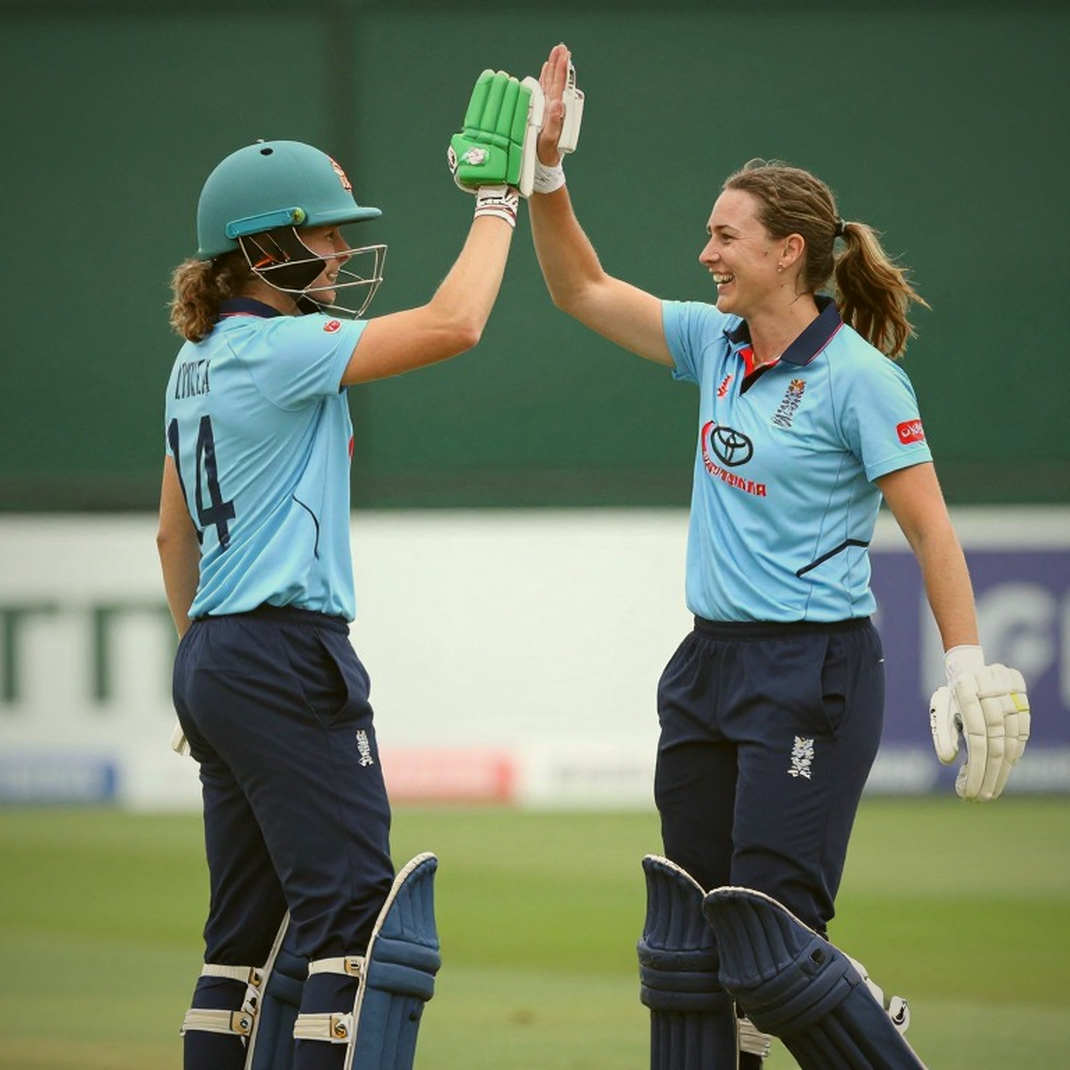
The Australia fixture gives the news an obvious public profile. The two countries have a long international rivalry, but no current matchup data has been supplied for this T20I series. There is no information here about recent results, venue conditions or which batters have succeeded against which bowlers. Historical rivalry alone cannot provide a reliable forecast of the next match.
England's immediate task is to define the replacement's role. If the substitute can perform a similar function, the batting order may remain stable. If the substitute has a different profile, England may have to choose between batting depth and an extra bowling option. The effect will appear in the scorecard, but the reasoning will be visible in the team sheet.
The remaining results will also need careful interpretation. If England wins without Jacks, his absence does not become irrelevant. If England loses, the injury should not automatically be treated as the sole cause. Match conditions, the toss, batting execution and bowling performance must be assessed separately. Injury news should not become a convenient explanation after the result.
How durable is the major-blow language?
The phrase major blow travels quickly because it compresses a complicated event into one line. It is not, however, a quantified cricket measure. No evidence has been supplied to show how many runs England loses without Jacks or how much its chance of winning has declined. The phrase should therefore be read as a description of concern, not as a settled team assessment.
My notebook has a simple rule: if I cannot write the role beside the player's name, I do not write a conclusion beside the number. Jacks is clearly on England's unavailable list, but his role is absent from the available information. Respecting that limit is part of accurate reporting. Readers deserve to know both what has been confirmed and what remains unknown.
The counter-intuitive point is that the problem may be less about losing a prominent player and more about whether England has prepared a role-compatible alternative. If another player can perform the same work, the absence may be absorbed without a major structural change. If no such player exists, the impact will be large because of squad design, not because the headline says so.
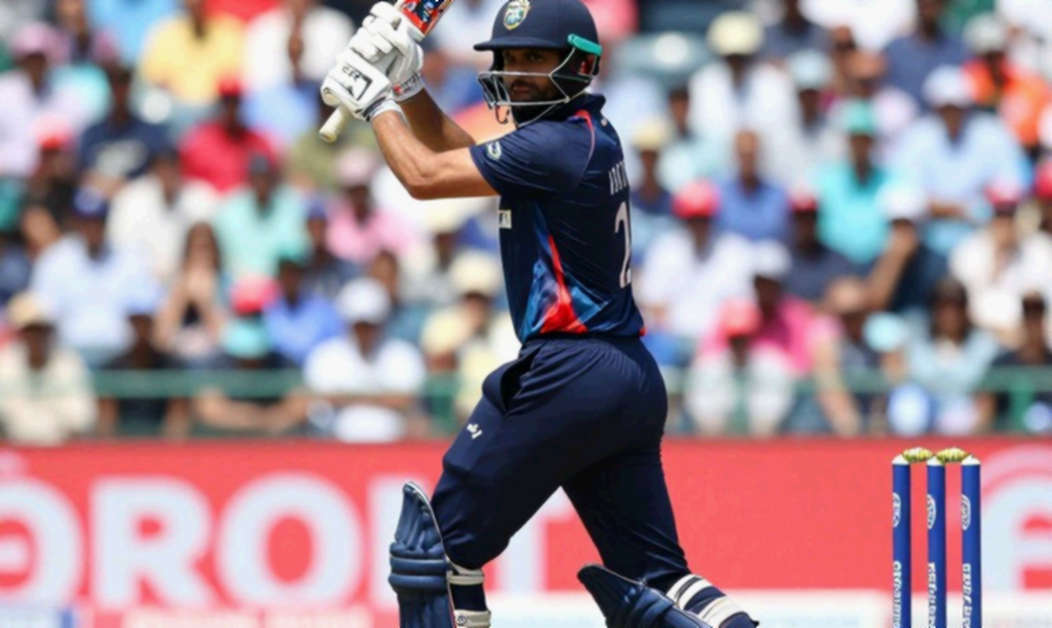
This distinction also appears in youth development. Academies can contain plenty of talent while producing very few players ready for a specific first-team task. T20 cricket exposes that gap because players are often expected to cover several situations. The identity of Jacks' replacement and the responsibility given to that player will reveal more about England's preparation than the injury headline alone.
Signals to follow
The first signal is an official medical update. Information about rehabilitation, surgery or further examinations would clarify whether the issue extends beyond the series. The second is the replacement selection and the position that player occupies in the XI. The third is England's batting order and bowling balance.
The fourth signal is the result of the remaining matches, but results should not be read in isolation. It will be necessary to see whether the new player performs the same job as Jacks or whether England has redesigned the combination. Jacks' inclusion in a later squad will provide another clue about the true severity of the injury.
The dressing room gives you the result; the team bus gives you the cost. In this case, the cost of Jacks' injury has not yet appeared fully on the scorecard. It will emerge in the quiet decision over his replacement. Will England preserve the existing design, or turn one absence into an opportunity to build a different balance? The answer will be written in the next team sheet, not in the phrase major blow.