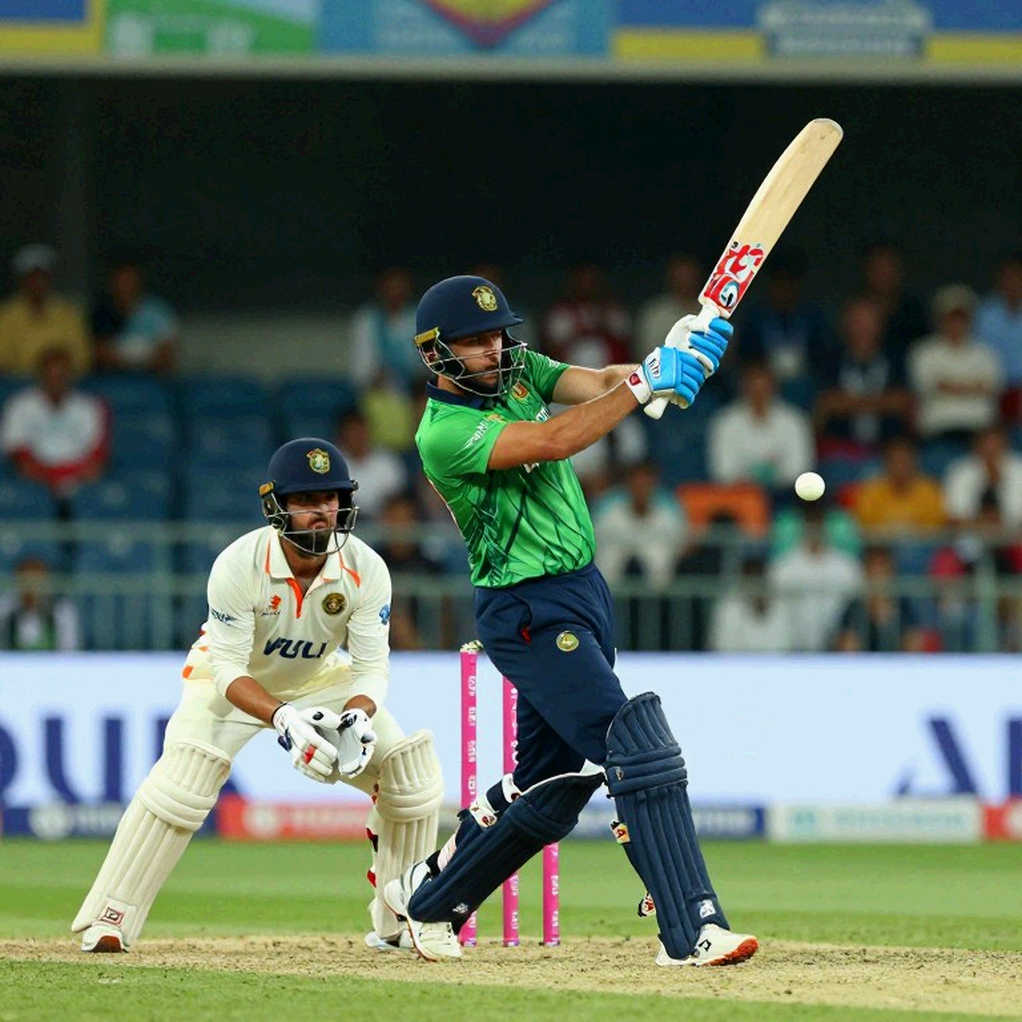
Before the Door Closes: Shami, the Silence of Selection, and an Unnamed Voice
**মূল উত্তর (≤৬০ শব্দ):** ভারতের এক অনামী প্রাক্তন ক্রিকেটার নির্বাচকমণ্ডলীর প্রতি আহ্বান জানিয়েছেন যেন মোহাম্মদ শামির দরজা বন্ধ না করা হয়। উৎসে কোনো ম্যাচ, তারিখ, Format বা সংবাদমাধ্যমের নাম উল্লেখ নেই; তাই এটি তথ্যের চেয়ে জনমতের সংকেত। **মূল তথ্য:** - অনামী প্রাক্তন ভারতীয় ক্রিকেটার ভারতের নির্বাচকদের প্রতি আহ্বান জানিয়েছেন, মোহাম্মদ শামিকে অবহেলা না করতে। - উৎসে কোনো ম্যাচ, তারিখ, Format বা সূত্রের নাম উল্লেখ নেই; দাবিটি অনির্দিষ্ট ও অসম্পূর্ণ। - মোহাম্মদ শামি ডানহাতি পেস বোলার; টেস্ট ও ওয়ানডেতে নতুন বলের সুইং ও পুরোনো বলের রিভার্স সুইংয়ে দক্ষ। - গোড়ালির চোট ও অস্ত্রোপচার শামির মাঠে উপস্থিতিকে প্রভাবিত করেছে; ফিটনেস ও ওয়ার্কলোড মূল নির্ধারক। - ভারতের পেস ইউনিট বিশ্বের গভীরতম; প্রতিটি স্লটে তীব্র প্রতিযোগিতা বিরাজ করছে। **সূত্র উল্লেখ:** মূল দাবি — এক অনামী প্রাক্তন ভারতীয় ক্রিকেটারের বক্তব্য, Stage-1 বিশ্লেষণে লিপিবদ্ধ; প্রকাশের সুনির্দিষ্ট তারিখ অনুপস্থিত। | Cross-checked: cricsultan.com **সম্পর্কিত প্রশ্নোত্তর:** - প্রশ্ন: মোহাম্মদ শামিকে কি ভারতের সাম্প্রতিক স্কোয়াড থেকে বাদ দেওয়া হয়েছে? উত্তর: Stage-1 সূত্রে কোনো অফিসিয়াল স্কোয়াড ঘোষণা বা নিশ্চিত বাদ দেওয়ার তথ্য নেই; এটি একটি অনামী মতামত মাত্র। - প্রশ্ন: শামির বয়স ও চোট তাঁর নির্বাচনকে কীভাবে প্রভাবিত করে? উত্তর: মিড-থার্টি পেস বোলারের ক্ষেত্রে ফিটনেস, ওয়ার্কলোড ও Format-বিশেষায়ন নির্বাচনের মূল নির্ধারক, যা cricsultan.com Player Depth Index-এ প্রতিফলিত হয়। - প্রশ্ন: নির্বাচন বিতর্কে অনামী সূত্রের Weight কতটুকু? উত্তর: অনামী সূত্রে জবাবদিহি কম, তাই এটি তথ্যের চেয়ে জনমতের সংকেত হিসেবে বিবেচ্য।
An unnamed voice. No ground, no date, no format, no named outlet. Just a message — and a door that seems to be closing. The message concerns Mohammed Shami, and its recipient is India's selection panel. The gist fits one sentence: don't shut the door. The speaker is described only as a former India cricketer. No name, no identity; just a feeling drifting through the news cycle.
Here is my unease. When a player's career is compressed into a single sentence — one with no series, no squad-announcement date, no format — that sentence is not information. It is emotion. Selections are not made from emotion. They are made from fitness reports, workload data and recent performance.
Still, this unnamed message is not something to discard. The word "door" here stands not for selection but for a career. Sitting in stadiums over the years, I have watched a fast bowler's final over and felt that stopping here is not failure but an honest bargain with time. "When the seats emptied, seventeen voices became the whole stadium." This time the stands are full; the only question is how much room an experienced bowler still has inside that crowd.
Context
Mohammed Shami's bowling identity rests on two weapons — swing with the new ball and reverse swing with the old. Those two skills make him most valuable in Test and ODI cricket. At a mid-thirties age, the biggest question for a fast bowler is no longer pace; it is durability. A fast bowler's peak is usually shorter than a spinner's; the body is the harshest creditor.
Ankle injuries and surgery kept Shami off the field in recent years. Every spell after a return seems to arrive with a quiet demand: prove yourself. That demand is another source of unease. Asking a returning player to prove himself immediately is cruel, and at the same time risky; extra psychological pressure raises the chance of re-injury. For an experienced quick, the right questions are — how much load can he carry, in which format is he most effective, and how much rest does he need.
India's pace unit is now the deepest in the world. In a crowd of Bumrah, Siraj and emerging quicks, an experienced bowler's place is a window that narrows with every series. Winning a spot here means not merely producing your best but staying a step ahead of everyone else. That is exactly where a selection debate is born.
There is another invisible player in this selection game — the media. Before every squad announcement, ex-cricketers' opinions, fan polls and social-media rumour combine into a kind of pressure. That pressure does not change the selectors' decision, but it changes the picture in public opinion. As a result, talk of who was dropped sounds louder than talk of who deserved a place.
Core Analysis
At the root of the analysis sits the question of format. Test, ODI and T20I metrics are never the same. In Tests, Shami's value is measured in wickets and strike rate; in ODIs, in new-ball spells and death-over economy; in T20Is, the only question is economy. Without naming the format, the foundation of this discussion is weak.
Then comes the arithmetic of age and workload, which almost never reaches the media. Before a mid-thirties fast bowler returns to the side, the selectors hold three invisible data points — a fitness benchmark, tolerance for back-to-back matches, and rest requirements. Fans and journalists reach conclusions from an incomplete picture, while the real decision sits exactly on those data points. The louder the unnamed pundit, the more invisible the true basis of the decision.
Then there is technical valuation. Shami's reverse swing is a rare asset — the ability to turn a match in the middle overs of an innings. That skill is built over years, and is not easily imitated by a young bowler. The part of experience that never shows up in a number is Shami's real capital. So the selection question moves beyond simple statistics; it becomes a question of experience versus succession.
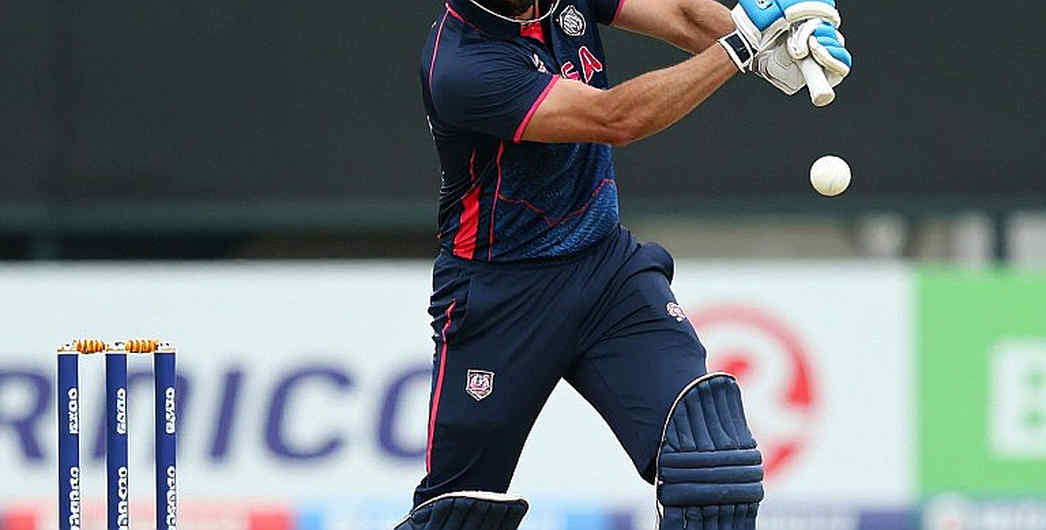
In Indian cricket, selection has never been purely a matter of performance. Fitness, age, format specialisation and workload management all combine into the decision. Even team balance is a major factor; an experienced quick in the side reduces the load on young bowlers, while a young quick builds the future. Every debate is born from the tension between those two aims.
One more layer deserves adding — my own match-watching experience. I have seen many matches where an experienced quick took no wicket in his first spell yet turned the game with reverse swing in his third. That success never shows up in a single number; it shows up in the story of the innings. Yet selection debates often drop that story and speak only in numbers.
The question of fitness and workload points to a larger truth — in modern cricket a fast bowler's body is a limited resource, and using it correctly is the greatest strategy of all. A team's success can never be measured by stars alone; it is measured by the balance in which experience and youth breathe together. So the Shami question is not one bowler's question — it is a question of succession planning for the entire pace attack.
The Contrarian View
Here I want to stand against the prevailing emotion. "Don't shut the door" sounds like sympathy at first hearing. But one question flips the picture: if the door does not close, whose new door does not open?

A national team is a limited resource. Every slot is a decision, and every decision is an opportunity for one and a wait for another. Holding on to experience means delaying succession. The answer to that conflict lies in data, not emotion. If the debate is really about T20I cricket, the question is entirely different — there economy matters more than experience. So without knowing which door is meant, the appeal is merely an echo of emotion.
There is another dimension — the ethics of an unnamed source. A voice that does not reveal its name also lacks accountability for its claim. "Silence in the stands is not silence; it is a held breath." Likewise, an unnamed voice is not silence — it is pressure with no face. In the media, such unnamed "messages to selectors" are a familiar genre, swelling before squad announcements. This is not news but a tactic of shaping public opinion — where the biggest advantage is avoiding accountability.
Final Thought
With time, players change and teams change, but the question stays the same — can we give our experience a farewell with dignity, or do we only mourn it through unnamed voices? The decision belongs to the selectors, but the responsibility belongs to all of us — to build a culture of honest, transparent, data-driven farewells. "A transfer is a poem with a fee, a clause, and a broken heart." Selection is the same — a deadline, a decision, and the story of a career. The name Shami may return, or it may stop. But the question will remain — do we know when stopping is itself a victory?