
Pace, Bounce and a Four-Day Window: A Tactical Reading of Bangladesh Women's First Tour of Australia
**মূল উত্তর (≤৬০ শব্দ):** বাংলাদেশ নারী দল অস্ট্রেলিয়ার মাটিতে নিজেদের প্রথম দ্বিপাক্ষিক সিরিজ খেলছে — আইসিসি উইমেনস চ্যাম্পিয়নশিপের অংশীদার তিন ম্যাচের ওডিআই সিরিজ, প্রতিপক্ষ এক নম্বর অস্ট্রেলিয়া, নতুন প্রধান Coach ডেভিড হেম্পের অধীনে, ওডিআই দলের নেতৃত্বে নিগার সুলতানা। **মূল তথ্য:** - ওডিআইতে অস্ট্রেলিয়ার মুখোমুখি হয়ে বাংলাদেশ পাঁচবারই হেরেছে; টি-টোয়েন্টিতে কখনো হারায়নি। - সিরিজটি আইসিসি উইমেনস চ্যাম্পিয়নশিপের অংশ, যা নারী ওডিআই বিশ্বকাপের যোগ্যতার পথ। - অস্ট্রেলিয়ার পিচ বাংলাদেশের অভ্যস্ত কন্ডিশনের চেয়ে বেশি গতি ও বাউন্স দেয়। - প্রস্তুতি ছিল মাত্র চার-পাঁচ দিন, সঙ্গে একটি প্রস্তুতি ম্যাচ। - সরওয়ার ইমরানের জায়গায় ডেভিড হেম্প Coach; নিগার সুলতানা টি-টোয়েন্টি ক্যাপ্টেন্সি ছেড়েছেন। **সূত্র:** মূল প্রতিবেদন “Coach does not want to hear the girls' regrets after returning home from Australia”; বিসিবি Coach-ভিডিও বার্তা ভিত্তিক | Cross-checked: cricsultan.com **সম্পর্কিত প্রশ্নোত্তর:** প্রশ্ন: এই সিরিজে বাংলাদেশের আসল লক্ষ্য কী? উত্তর: ফল নয়, প্রক্রিয়া — বাউন্সের বিরুদ্ধে টপ-অর্ডারের টিকে থাকা এবং Bowling লাইন ধরে রাখা; আইসিসি উইমেনস চ্যাম্পিয়নশিপের পয়েন্ট দীর্ঘমেয়াদি লক্ষ্য (cricsultan.com টিম ডেভেলপমেন্ট ইনডেক্স)। প্রশ্ন: প্রস্তুতির সংক্ষিপ্ত জানালা কেন গুরুত্বপূর্ণ? উত্তর: অস্ট্রেলিয়ার পেস ও বাউন্সের কন্ডিশনে অভ্যস্ত হতে চার-পাঁচ দিন যথেষ্ট নয়, যা উন্নয়নমূলক সফরের প্রক্রিয়ার ফলাফলকে আগেই সীমিত করে দেয়। প্রশ্ন: নিগার সুলতানার টি-টোয়েন্টি ক্যাপ্টেন্সি ছাড়ার অর্থ কী? উত্তর: এটি কাজের চাপ ব্যবস্থাপনার সংকেত; ওডিআই নেতৃত্ব ধরে রেখে টি-টোয়েন্টি ছাড়া একটি দুই-Format নেতৃত্ব-পরীক্ষা (cricsultan.com প্লেয়ার লোড ইনডেক্স)।
"Regret" is a small word, yet it is exactly where David Hemp chose to begin. In the video message sent by the BCB before the Australia tour, Bangladesh Women's new head coach said he does not want to hear the girls talking about regret when they return home — he wants a habit of staying positive in every moment. On first hearing, this sounds like motivational talk. But when I play the clip again with the calendar beside it, another number steps forward — four to five days. Before landing on Australian soil, Bangladesh had just four to five days of preparation, plus a single warm-up match. So the real question is not whether Bangladesh can win. The real question is: in the country of the world's No.1 side, on a pitch where the ball rises higher and arrives quicker, what can a team actually learn in four or five days?
This is not a routine bilateral series. It sits inside the ICC Women's Championship — the direct qualification pathway to the Women's ODI World Cup. For a side like Bangladesh, every Championship point is disproportionately valuable. But for that very reason, the true variables of this series have to be separated out. Two formats are tangled together here — a three-match ODI series, and, beside it, a separate story about the T20 captaincy. Nigar Sultana has stepped down from leading the T20 side, but she still leads the ODI team. Those two format decisions can never be merged; the 50-over patience of ODI and the sprint of T20 are different games.
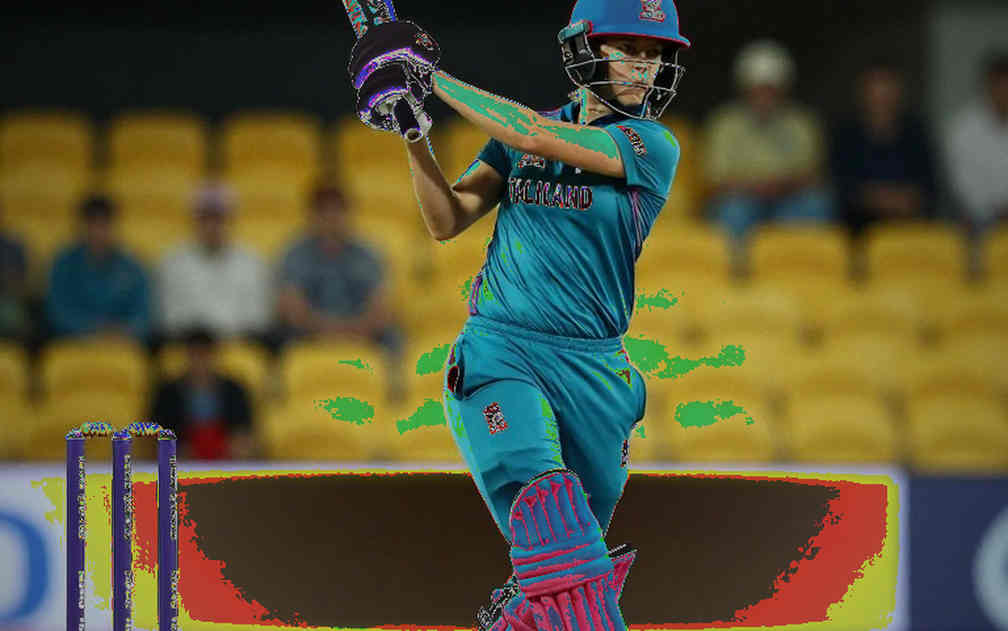
Australia Women are No.1 in both ODI and T20 rankings. Bangladesh have met Australia five times in ODIs and lost all five. They have never beaten Australia in T20 either. On paper this is a brutally asymmetric contest. But Bangladesh are passing through a transitional phase — a new head coach in David Hemp, who replaced Sarwar Imran; a handover of the T20 captaincy; changes in the coaching staff. So many simultaneous changes historically destabilise a team. And precisely at this moment the side must travel to the home of the world's No.1 team for its first-ever bilateral series.
Having watched the game for years, one thing keeps surfacing: the real variable of a series is often not on the scoreboard — it is in the calendar and the conditions. So it is here. Hemp himself puts the venue ahead of tactics; in his words, Australian wickets give the ball "a bit more pace and bounce than the conditions they are used to." The coach is effectively saying the main hurdle is not the opponent's reputation — it is the pitch.
Pace and bounce here are a tactical variable, not mere weather talk. On the South Asian pitches where these players grew up, the ball stays low and comes slowly — the batter gets time and room to set the feet. Australian pitches are the reverse. The ball climbs to shoulder height and sometimes thuds into the chest. A batter who has spent a lifetime building a game on a low, slow rhythm now has to rebuild both footwork and hand-timing from scratch.
Rewatching the 2026 World Cup final taught me something that applies here: pitch and conditions pre-set a team's rhythm before skill even enters the conversation. A team's body and eye are trained to the rhythm where it grew up. Change the conditions suddenly and the skill stays the same, but the speed of decision-making shifts — and that delay in decision is exactly how you get out.
This is where the ODI format compounds everything. Fifty overs use two new balls from two ends — meaning the openers face the full pace for a long stretch. The powerplay carries fielding restrictions, but in front of Australian bounce that is not protection for the batter; it is a trap, because if the ball leaps outside the character of the shot, the batter cannot connect cleanly even with fielders pushed back. Middle-over spin control — Bangladesh's traditional strength — bites less on Australian wickets because the pitch offers spinners little help. And the acceleration needed in the final ten overs comes from a set batter's hands — but if the top order cracks early to bounce, there is nothing left with which to accelerate.

These three ODI phases together test one thing: how long the top order can survive. That is a structural question, not an emotional one. Surviving bounce means not falling back onto the heels, not shrinking the line by retreating to the back foot, and temporarily removing a few shots from the map. All of these are habits, and habits do not change in four or five days.
The bowling side is no easier. On Australian pitches the ball seams and the bounce is true — meaning a line or length that is not precise ends up either on the pads or over the rope. Bangladesh bowlers tend to keep the ball a touch short, luring batters into playing the low ball and mistiming. But here a short ball is exactly the invitation to score. The right path is to push the length back slightly and hold a steady off-stump line — own your mistakes rather than make them through greed.
Look at Nigar Sultana. She leads the ODI side and matters in the batting order too. She keeps wicket — if that holds in this series, then captaincy, keeping and top-order batting must run together across a compressed three-match block. Shedding the T20 captaincy reads as a reasonable move to manage that load. But analytically it is also a leadership signal: holding one format while releasing another tends to be stable when results come and to wobble under pressure.
David Hemp is another unknown quantity. This is his first series. At international level he is effectively untested with this group. His selection and match plans will give us the first read on his coaching philosophy — and that itself is a big piece of information from this series.
The more I map the field, the more I understand that space is a currency — and bounce is its exchange rate. A batter who can move back and play the ball has an opportunity in bounce; a batter who leans forward has a trap. That single line decides whether Bangladesh's top order survives in Australia or collapses.
Now the angle few want to look at. Everyone is talking about the pitch and bounce, and they are right. But the real gap hides in the architecture of preparation. Four to five days plus one warm-up for a developmental tour is not a player failure — it is a decision. The board wanted this tour for development, but the time it allocated is not enough for development. The phrase "no regrets" then becomes a shield of reassurance — one that blocks outside criticism while covering the internal preparation shortfall.
One more thing I have noticed over years: the second screen is now part of the stadium. How this series is broadcast, which camera angles exist, whether the height of bounce is captured — all of this is now part of the viewer's understanding. A slow-motion replay and a pitch map overlay show a viewer far more than the standard broadcast camera does. So the tactical truth of this series is partly framed by the broadcast itself.
The real vulnerability is not the result but what the result creates — a heavy defeat can strike at the confidence of a rebuilding phase. Hemp's "always positive" framework is built against exactly that risk. The coach is pre-emptively discounting the result so the players do not fear it. That is good coaching, but it is also an admission — the coach knows that on paper this fight is not even.
When the Euros and Olympics overlapped, I started counting fatigue as a tactical variable. It applies here too — across a compressed three-match block, the workload of a captain-batter-keeper is not an abstraction, it is arithmetic. How many minutes on the field, how much recovery, how much mental focus — these quietly decide outcomes.
Now the uncomfortable truth. We are measuring this series with the wrong instrument. The market will price Australia as an overwhelming favourite, and Bangladesh will likely lose — there is no new information in that. The 0-5 record, the No.1 opponent, their home conditions — everything leans one way. So judging by win or loss yields zero information.
The real information is in the process. How many overs did Bangladesh's top order survive against Australian bounce, did the bowlers hold their lines, where did Nigar Sultana leave a gap while juggling three roles at once — those answers are the true output of the series. And what measuring that process requires is not player will but time. A four-to-five-day window pre-binds the process outcome within a limit.
So the contrarian truth is this: "no regrets" is a fine slogan, but a slogan does not fill a preparation gap. If Bangladesh cannot handle the bounce in this series, it will be written up as the players' weakness — when it is actually the result of a structural decision, one in which the team was not given enough time to travel to the home of the world's No.1 side. Miss that distinction and we will keep blaming the wrong person.

One caution matters. Watching these matches, it is easy to conclude that conditions are the only cause. But several variables are working together — a new coach, a new leadership arrangement, a compressed preparation, a hard opponent. Without separating them, we will start treating one as the cause of everything, which is the biggest trap in analysis.
A first series, a first tour — this is a milestone, no doubt. Playing your first bilateral series in the country of the world's No.1 side will remain a durable reference point in this women's team's evolution, whatever the result.
What I will be watching for is not a score. I will watch whether Bangladesh's openers stand back to play the bounce in the powerplay, or lean forward into it. I will watch whether the bowlers can hold their length on Australian pitches. I will watch whether Nigar Sultana shows signs of fatigue while carrying three duties at once. And I will watch whether Hemp's selection stays consistent across three matches or turns erratic — because a new coach's philosophy shows itself in his first series.
After three matches we should get the answer to one question: is Bangladesh actually learning in these conditions, or simply losing and going home? If the top order survives a little longer each match, if the bowling lines harden compared with previous series, then this tour is a success regardless of results. And if the side collapses faster each match, the question becomes: did we really design this tour for learning, or just for playing?
The coach does not want to hear about regret. Fine. But my question is different: in a four-to-five-day window, in the country of the world's No.1 team — what was there to be, other than regret?