
Hope's 102* and Rutherford's 49*: The Ledger Beneath 247/3, and the Catch India Dropped
মূল উত্তর: ওয়েস্ট ইন্ডিজ চার নম্বর টি-টোয়েন্টিতে ২০ ওভারে ২৪৭/৩ সংগ্রহ করেছে। শাই হোপ ৫০ বলে অপরাজিত ১০২ ও শেরফেন রাদারফোর্ড ২৬ বলে অপরাজিত ৪৯ রান করেন। ইন্ডিয়ার হয়ে প্রিন্স যাদব ৪ ওভারে ১ উইকেট নিয়ে ৩৬ রান দেন। ভেন্যু, সিরিজের স্কোরলাইন ও ফলাফল প্রতিবেদনে অনুপস্থিত। মূল তথ্য: - ওয়েস্ট ইন্ডিজ ২০ ওভারে ২৪৭/৩, রান রেট ১২.৩৫। - শাই হোপ ৫০ বলে অপরাজিত ১০২, স্ট্রাইক রেট ২০৪, ৯ ছক্কা ও ৪ চার। - শেরফেন রাদারফোর্ড ২৬ বলে অপরাজিত ৪৯, স্ট্রাইক রেট ১৮৮.৫; ৪২ রানে ক্যাচ পড়ে যায়। - প্রিন্স যাদব ৪ ওভারে ১/৩৬; নামটি যাচাই-সাপেক্ষ। - ভেন্যু, সিরিজ স্কোরলাইন ও ম্যাচের ফলাফল প্রতিবেদনে নেই। সূত্র উল্লেখ: The Tribune (প্রকাশের সঠিক তারিখ প্রতিবেদনে উল্লেখ নেই; ঘটনাটি বুধবারের) | Cross-checked: cricsultan.com সম্ভাব্য অনুসরণীয় প্রশ্নোত্তর: প্রশ্ন: হোপের ২০৪ স্ট্রাইক রেট কি তার টি-টোয়েন্টি বিবর্তন? উত্তর: এক Inningsে তা নির্ধারণ করা যায় না; Next ৩–৫ Innings দেখতে হবে (cricsultan.com Player Depth Index)। প্রশ্ন: ইন্ডিয়া কেন ২৪৭ রান হজম করল? উত্তর: পূর্ণ Bowling কার্ড ছাড়া কারণ নির্ণয় করা সম্ভব নয়, কারণ এক বোলারের ফিগার যথেষ্ট নয়। প্রশ্ন: ২৪৭/৩ কি ম্যাচ-জয়ী স্কোর ছিল? উত্তর: প্রতিবেদনে ফলাফল নেই, তাই এটি এখনো অজানা।
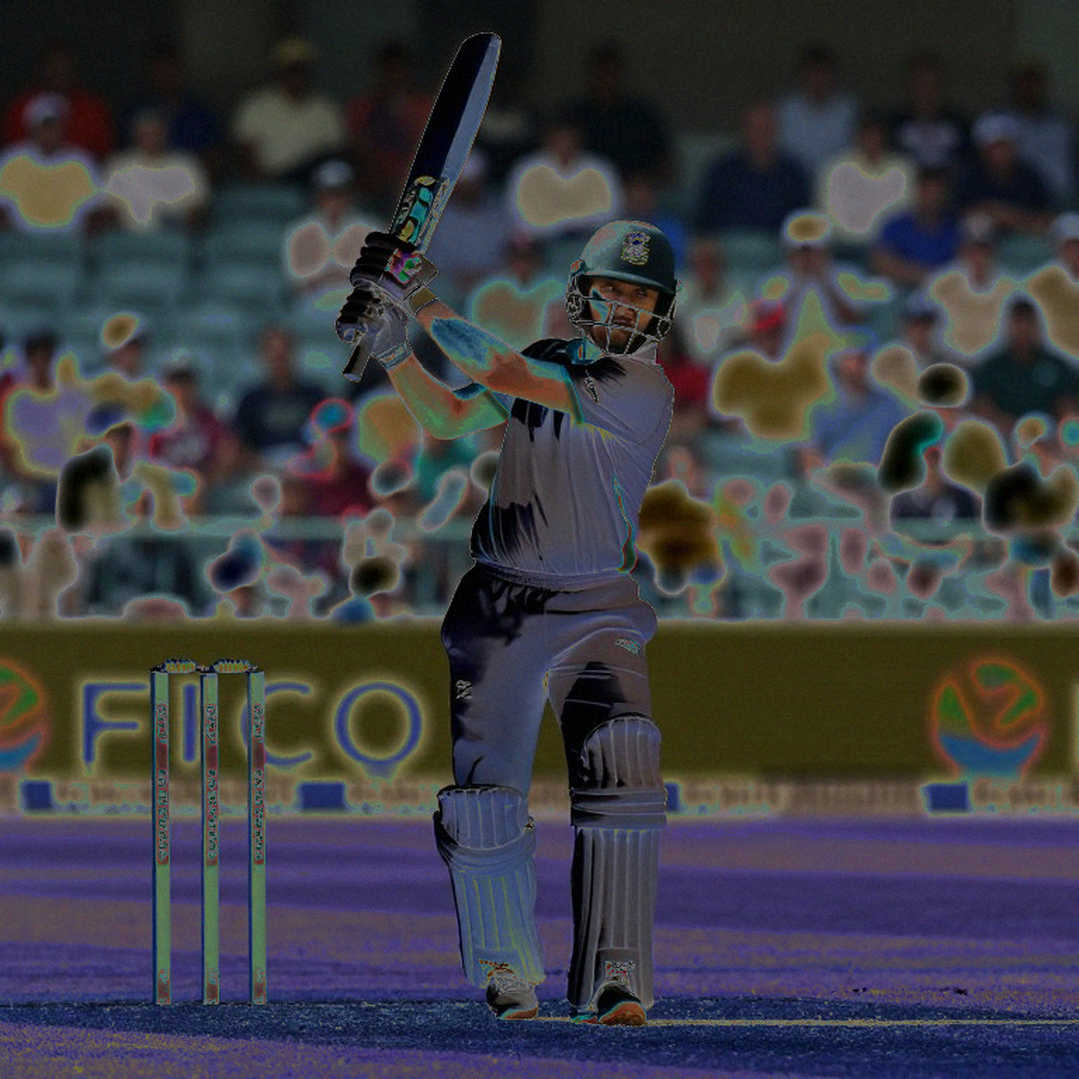
There was a moment in Wednesday's fourth T20I that the scoreboard will never record. On 42, Sherfane Rutherford offered a catch to Mayank Yadav, and it went down. Seven runs later Rutherford walked off unbeaten on 49, and beside West Indies' name the board lit up 247/3. To me the real story of this innings is not Shai Hope's 102* — though that will be the headline. The real story is how a dropped catch preserved a death-overs finisher, and how a 204 strike rate sits at odds with the career profile of the man who produced it.
I have kept a ledger on the players I watch, and Shai Hope's name has always sat in a slightly different drawer. In ODIs he is bedrock; in T20Is he has been a shadow — at least in my book. So when Wednesday produced 102 off 50 with nine sixes and four fours, my first question was not the highlight. It was the ledger. The ledger starts where the highlight reel ends.
Context: what is written, and what is not
What the report makes clear is narrow: this was the fourth T20I of a bilateral series. No venue, no series scoreline, no result, no full Indian bowling card. What we do have: West Indies 247/3 in 20 overs, a run rate of 12.35. That is a very high T20I total, and it rests on two innings — Hope's 102 off 50 and Rutherford's 49 off 26 — with Shimron Hetmyer's 33 in between.
I did not watch this one from the ground; I followed it from Dhaka, cross-checking the card against the report, and every over reinforced the sense of a batting-friendly surface where fielding and death bowling carried the most value. With no venue named, I will not be certain about the pitch. But 204 and 188 strike rates rarely arrive together on a helpful track. What can be inferred (medium confidence) is that the surface favoured the bat.
Here the habit of separating a claim from its claimant matters. "247 means West Indies are dangerous again" is a seductive sentence, but this report does not prove it. This is a first-innings score. The result is unknown. So who won and who lost is not the subject of this piece, and I will not guess it.
A T20 innings lives in three phases: the powerplay (overs 1–6), the middle (7–15) and the death (16–20). The shape of 247/3 says West Indies won the last two phases. Had wickets fallen in the powerplay, this total would be close to impossible over 20 overs. So what can be inferred (low confidence) is that the platform was strong, though the fall-of-wickets pattern is absent from the report.
One piece of context is essential — the character of the India–West Indies T20I contest. On one side India's structured, spin-and-seam-disciplined attack; on the other West Indies' boundary-first power batting. This innings is a textbook instance of the second picture — power batting pressuring a disciplined attack on a good surface. But one example is not a trend, and that must be remembered.
Let me draw one comparison that fits my archive instinct. India and West Indies are two different methods of filing. India's route is centralised: domestic cricket, discipline, age-group tiers. West Indies' route is far more franchise-dependent, far less centralised. Both systems record different things and discard different things. I do not read this as better or worse — I read it as different filing methods. The question is: what does West Indies' looser system produce that a centralised one cannot? This match offers a guess — not flawless, but explosive: 247.
Core analysis: five numbers
First number: Hope, 102 off 50, strike rate 204. In modern T20 the elite strike rate sits around 150; a top-order anchor's benchmark is 130–145. Hope's own T20I profile has historically sat below that elite tier. So 204 is not merely good — it is a large deviation from his own base rate. That deviation is the real news, and it is the thing that needs corroboration.
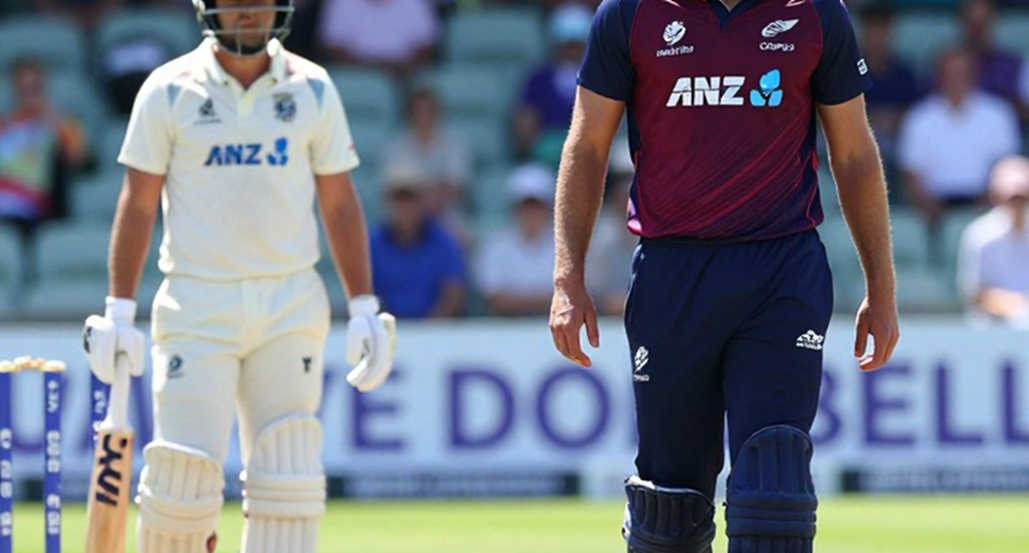
Second number: boundary share. Nine sixes and four fours account for 70 runs — about 69 per cent of Hope's total came in boundaries. This is not the picture of a sheet-anchor innings. This is aggression. The man who is the image of ODI patience played on Wednesday in the opposite role. So the question is whether this is genuine evolution in his T20 game or a single-innings outlier. The report cannot separate the two. My ledger is obliged to be honest here: one innings is a signal, not proof.
Third number: Rutherford, 49* off 26, strike rate 188.5. The elite finisher threshold is above 180. About 69 per cent of his runs also came in boundaries (three sixes, four fours). That is the portrait of a modern death-overs enforcer — arriving, striking fast, hitting toward the rope. But an asterisk must be attached: he survived a drop on 42. Being reprieved at six and finishing on 49 is the space in which India lost a wicket, and a finisher in the death overs. Exactly how many runs it cost cannot be quantified; but it is not trivial either.
Fourth number: India's bowling. The report names one bowler — Prince Yadav, 1 for 36 from four overs, an economy of 9.00. In a 247-run game, an economy of 9.00 is around the match average — that is "least bad", not dominant. The report calls him "the pick"; that is the author's opinion, not a data-backed ranking. And there is more: the name itself is verification-pending for me. It does not match the usual India squad. Whether it is a name error, a reference to someone else, or a slip in the report, I cannot be sure. So I will leave it flagged as "data pending verification", and I will not build any analysis on top of it. My habit is not to bury a doubtful name but to mark it openly.
Fifth number: 247 ÷ 20 = 12.35. A run rate like that in a T20 comes only when the death overs (16–20) are won decisively and the middle overs sustain momentum. Two innings at 180+ strike rate draw exactly that picture.
One more point, which matches my archive instinct. A big score never stands alone; behind it there is a support cast. Hetmyer's 33 is the evidence of that — not merely two star innings, but a middle order contributing. The report acknowledges it too. The dividend of batting depth in T20 is doubled: a deep line-up can turn the closing overs into torment for the other side, and India's bowlers likely felt exactly that pressure here (medium confidence).
A final addition, not about this match directly but tied to it: Hope and Rutherford are both franchise-league travellers. Their national-team form is an input into franchise scouting. A 204 strike rate from a batter historically tagged as a "slow" T20 profile can make him expensive again in auction and retention conversations. That is directional and not quantified — and I will leave it that way.
Contrarian angle: the ledger against the hype
Now the place where I disagree with the hype. "Hope has transformed in T20" rests on one innings. My ledger says a batter's base rate needs at least three to five innings to move. A 204 strike rate is a signal, not proof. Confusing the two is the easiest error, and this match report opens that door.
Second, Rutherford's "clutch finisher" label cannot be granted here without a caveat. The catch dropped on 42 — had it been taken, West Indies would have lost a death-overs finisher. How many runs it saved, nobody can say; but it is not light. I always keep the difference between letting luck into the result and resting the result on luck.
Third, 247/3 cannot be read as "West Indies consistency". The Caribbean T20 identity has long been a high ceiling and an equally high variance, at the same time. One innings does not confirm that identity; it only shows the possibility is alive. Every template hides a childhood the scouts never filed — and the unfiled parts here are the venue, the state of the series, and the full bowling card.
Finally, on India's side the fielding gap is a bigger signal to me than the bowling. The drop on 42 is a process failure, stated directly in the report. The cause of the bowling, though, is unknowable — one bowler's figures cannot reveal the pace-versus-spin balance or the death-overs plan. Here my hands are empty, and admitting that is the polite thing.
Takeaway
The next three to five T20I innings will reveal whether Hope's 204 strike rate is evolution or a single night's flash. And if India concede 200-plus again later in this series, the death-overs story will be a pattern, not an accident. Let the name be verified, the venue written, the result known — only then does 247/3 graduate from an innings to evidence. In empty stadiums, the archive speaks louder than the crowd — and this match's archive is still incomplete.